Revenue
Buying a Lisbon property for short-term rental: what to check before you invest
Regulation, Alojamento Local eligibility, building rules, layout, condition, access, potential and costs: the checks to make before you sign.
4 min read
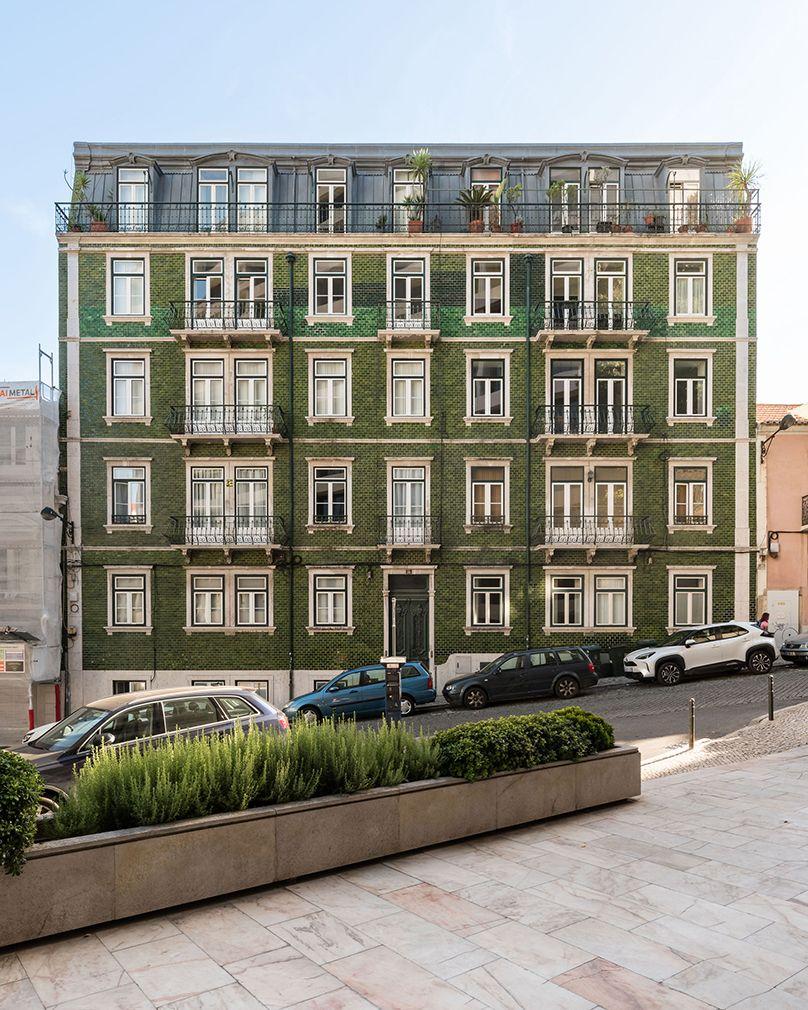
Buying an apartment in Lisbon to rent to guests can be a good project. But it is also the kind of investment where mistakes are most expensive, because part of its value rests on a regulatory question: will it genuinely be possible to run it as an Alojamento Local?
1. Regulation and AL eligibility
This is the first check, before any serious viewing. In Lisbon, the municipal regulation classifies parishes and neighbourhoods by AL pressure, in absolute or relative containment, and the classification is reviewed every month. Everything is explained in can you still open an AL in Lisbon in 2026.
Questions to ask:
- Which parish and neighbourhood is the property in, and what is their current status?
- Was the property subject to a residential lease in the last five years? If so, the exceptions available in containment areas are ruled out.
- Was it bought at a municipal auction? Same consequence.
- If it already has an AL registration, can the registration be transferred? In containment areas, a transfer generally causes the registration to lapse for apartments and houses, except where the law provides otherwise.
The National Alojamento Local Register (RNAL) shows whether a number exists and which address it relates to. But only a legal review by a lawyer can confirm whether the activity can continue after the purchase.
2. The building
- Título constitutivo: the intended use of the unit (residential, commercial…) must fit the project.
- Regulamento do condomínio: some rules may govern AL in the building.
- Recent meeting minutes: disputes, approved works, how neighbours feel about tourist letting.
- Service charges and reserve fund: amounts and upcoming works (façade, roof, lift).
Since Decree-Law 76/2024, owners can object to the activity in case of repeated disturbances through a reasoned resolution; the final decision lies with the City Council. A building that is already tense is a risk.
3. Location, down to the street
The neighbourhood doesn’t tell the whole story. Look at the street itself: the slope, noise at night, the real distance to transport, how easy the address is to find. Go on a Friday night and on a weekday morning.
4. Size and layout
- A well-laid-out T1 rents easily to couples; a T2 opens up families and groups of friends.
- Separate bedrooms beat a large living room with a sofa bed.
- Two bathrooms make a real difference beyond four guests.
- Light and outdoor space (balcony, terrace) weigh heavily in photos.
5. Access
A third floor with no lift at the top of a steep street puts off some guests with luggage, and complicates every clean and linen delivery. It isn’t a deal-breaker, but it should be reflected in the purchase price and in your income assumptions.
6. Condition
- Wiring and plumbing, often old in the historic centre;
- Damp and insulation, common in older buildings;
- Air conditioning and heating to plan for;
- any works and the permits needed, with a realistic quote.
7. Rental potential
Estimate potential from genuinely comparable homes, over several seasons, and build cautious scenarios. The method is set out in how much an Airbnb can earn in Lisbon. Be wary of over-optimistic projections presented during the sale.
8. Purchase and running costs
At purchase, budget for transaction taxes (IMT and stamp duty), notary or registration and legal fees, then furniture and equipment. Once running:
- IMI, service charges, insurance (including mandatory civil liability);
- energy, water, internet;
- platform commissions and management fees;
- consumables, upkeep and replacing furniture;
- accounting and tax, to be reviewed with an accountant.
9. Day-to-day operation
Who will handle arrivals, cleaning and the unexpected? If you live abroad, build the cost and organisation of management in from the start. See managing it yourself or using a property manager.
10. Have a plan B
Rules change. A sound investment should still make sense if AL became impossible or less profitable: mid-term lets, a residential lease, resale. In Lisbon, the regulation even allows suspending a registration for up to five years in containment areas to let the property long term.
Documents to request
- certidão permanente and caderneta predial (land and tax records);
- the licence of use (licença de utilização);
- título constitutivo and building rules;
- recent minutes and a statement of service charges;
- where relevant, the AL number, its history and past lease agreements.
Maison Tejo is neither a law firm nor an estate agency. We can help you assess a property’s operating potential and prepare the right questions; legal validation must be done by a lawyer.